

Offset vs. Flexo Printing
Introduction
In the modern label printing industry, offset and flexographic printing are two widely used mainstream printing methods. Each brings its own unique technical characteristics and application advantages, playing crucial roles in different production scenarios. This article will systematically compare these two printing technologies from various angles, including printing principles, technical strengths, application limitations, cost structures, and selection recommendations - to provide professional guidance for label printing and converting businesses like yours when choosing a suitable process.
Differences in Printing Principles and Technical Characteristics
Offset Printing: The Indirect Method
Offset Printing uses an indirect printing principle, transferring images and text from the printing plate to a rubber blanket cylinder before applying them to the substrate. Its key features include:
- Ink-Water Balance System: Relies on precise control of the ink-water balance, leveraging the immiscibility of oil and water to transfer graphics and text.
- Fine Dot Reproduction: Utilizes amplitude-modulated or frequency-modulated dots, achieving a printing resolution of 200–350 dpi.
- Dependence on UV Curing: In label printing, UV curing systems are often required to ensure ink adhesion on non-absorbent materials.
Flexo Printing: The Direct Relief Method
Flexo Printing, on the other hand, employs a direct relief printing method:
- Anilox Roller Ink Transfer System: Uses engraved anilox rollers to precisely control ink transfer, ensuring consistent ink layer thickness.
- Wide Printing Adaptability: Supports various ink systems, including water-based, solvent-based, and UV inks, offering flexible curing options.
- Strong Material Compatibility: Particularly well-suited for handling non-absorbent materials like films and self-adhesive substrates.
Quality Performance and Process Advantages
Three Main Advantages of Offset Printing
1.Superior Print Quality
Offset printing has a natural advantage in reproducing fine details. Its dot density can reach 200–350 dots per inch, far exceeding the 170–180 dpi limit of flexo printing. This high precision makes it stand out in the following scenarios:
- Smooth gradient transitions with no noticeable banding
- Crisp edges on small text (below 4 pt)
- Accurate spot color reproduction with high hue stability
- Dot loss in highlight areas below 2%
2.Significant Initial Cost Advantages
At the start of a new project, offset printing demonstrates clear economic benefits:
- Lower Plate Costs: A set of four-color PS plates costs only 1/4 to 1/2 of flexographic resin plates.
- Higher Plate-Making Efficiency: The CTP plate-making process takes just 8–12 minutes, compared to 60–90 minutes for flexographic plates.
- Faster Job Changeovers: Standard job changeovers can be completed within 15 minutes, improving equipment utilization.
3.Higher Operational Tolerance
Offset printing offers relatively stable performance characteristics:
- The ink-water balance system has self-adjusting capabilities.
- Dot gain is kept within standard ranges (typically 12–18%).
- Even with less experienced operators, basic print quality can be maintained.
Differentiated Advantages of Flexographic Printing
1.Wide Material Adaptability
Flexographic printing excels in handling special materials:
- Wide printable thickness range (0.012–0.5 mm)
- Compatible with various film materials like PE, PP, PET, and BOPP
- Supports special substrates such as metal foils, synthetic paper, and specialty papers
2.Potential for Higher Production Efficiency
In specific applications, flexographic printing offers unique advantages:
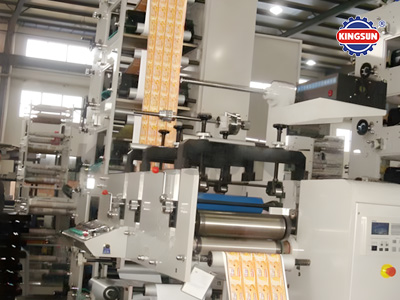
- Strong inline processing capabilities, integrating processes like foiling, laminating, die-cutting, slitting and sheeting.
- Printing speeds of 150–300 meters per minute.
- Suitable for long-run jobs, with operational costs decreasing as volume increases.
3.Superior Environmental Performance
Modern flexographic technology aligns with green printing trends:
- Lower VOC emissions from water-based inks compared to offset inks
- Higher usage of biodegradable materials
- Relatively lower energy consumption, meeting sustainability requirements
In-Depth Analysis of Cost Structures
Equipment Investment Comparison
The complex structure of offset presses leads to higher initial investment:
- Inking System: Requires a precise ink transfer system with 12–20 ink rollers.
- Dampening System: Equipped with automatic alcohol concentration control.
- Registration System: Demands extremely high mechanical machining precision.
- Overall, offset equipment is 30–40% more expensive than similarly configured flexographic printing equipment.
Operational Cost Differences
Consumable Costs:
- Offset: PS plates cost ¥80–120 per square meter (this is roughly number, every year it will be change), with higher dampening solution consumption.
- Flexo: Resin plates cost ¥200–350 per square meter (this is roughly number, depends on types, thickness and quality), and anilox rollers require periodic replacement.
Energy Consumption Comparison:
- Offset: UV curing systems consume more energy, using 15–25 kW per hour.
- Flexo: Hot air-drying systems are relatively more energy-efficient, using 8–15 kW per hour.
Labor Cost Considerations:
- Offset: Requires experienced press operators with 6–12 months of training.
- Flexo: Operators have shorter training cycles, typically becoming proficient in 3–6 months.
| Comparison Category | Offset Printing | Flexo Printing |
| Consumable Costs | Lower Plate Costs: PS plates cost ¥80–120/m²; higher dampening solution consumption. | Higher Plate Costs: Resin plates cost ¥200–350/m²; requires periodic anilox roller replacement. |
| Energy Consumption | Higher: UV curing systems consume 15–25 kW per hour. | Lower: Hot air-drying systems consume 8–15 kW per hour (more energy-efficient). |
| Labor & Training | Complex: Requires highly experienced operators with 6–12 months of training. | Standard: Shorter training cycles; operators become proficient in 3–6 months. |
Recommendations for Application Scenarios
Scenarios Favoring Offset Printing
High-Quality Commercial Labels: Cosmetics, luxury labels, and others requiring high-precision printing.
Short-Run Variable Data: Promotional labels or seasonal product labels requiring frequent plate changes.
Paper-Based Materials: Primarily using absorbent materials like coated paper or specialty paper.
Budget-Constrained Projects: Limited initial investment but with certain quality requirements.
Scenarios Favoring Flexographic Printing
- Film-Based Labels: Food packaging, daily chemical product labels, and others using film materials extensively.
- Long-Run Production Tasks: Routine label production with volumes exceeding 100,000 meters.
- Special Process Requirements: Situations needing inline processing or special ink applications.
- Strict Environmental Requirements: Compliance with food-grade safety standards or environmental certifications.
Technical Comparison Summary: Offset vs. Flexo
| Comparison Category | Flexo Printing Advantages | Business Value |
| Material Versatility | Handles PE, PP, PET, BOPP, and metal foils (0.012–0.5 mm). | Perfect for diverse film-based packaging. |
| Inline Processing | Integrates foiling, laminating, and die-cutting in one pass. | Reduces labor costs and shortens lead times. |
| Production Speed | High-speed output ranging from 150 to 300 meters per minute. | Maximizes ROI for high-volume, long-run orders. |
| Eco-Friendliness | Uses water-based inks with lower VOC emissions and energy use. | Meets global sustainability and food safety standards. |
Technological Trends and Integrated Innovations
Today’s label printing technology is evolving toward integration:
- Hybrid Printing Technology: Combines offset and flexographic units to balance fine details and large solid areas.
- Digital Printing Integration: Incorporates digital inkjet units into traditional printing for variable data capabilities.
- Intelligent Upgrades: Adoption of AI color management systems and IoT remote monitoring.
- Green Transformation: Increased use of eco-friendly materials like vegetable oil-based inks and water-based coatings.
Key Factors for Decision-Making
When choosing a printing process, your label business should consider:
- Product Structure Analysis: The material types, design complexity, and quality requirements of your main label products.
- Order Characteristics Evaluation: Average order volume, job changeover frequency, and delivery timelines.
- Return on Investment Calculation: Comprehensive assessment of equipment depreciation, material costs, and labor expenses.
- Technological Development Outlook: Evaluating upgrade potential and future business expansion needs.
Conclusion
In the label printing industry, offset and flexographic printing each have their strengths, with no absolute winner. Offset printing holds a significant position in high-precision printing due to its superior print quality and lower startup costs. Meanwhile, flexographic printing offers unique advantages in packaging labels, thanks to its wide material adaptability and efficient production capabilities.
A wise choice should be based on a thorough analysis of your own label business characteristics. If your work primarily involves paper-based materials, short runs, and high-quality requirements, offset printing may be the better fit. If it involves extensive use of film materials, long production runs, or special process needs, flexo printing will likely deliver greater value.
As printing technology continues to develop, the boundaries between these two processes are gradually blurring, paving the way for more integrated and innovative solutions. Your business should stay technologically aware, flexibly adjust its technical approach based on market changes and customer needs, and find the optimal balance among quality, cost, and efficiency to gain a competitive edge in this dynamic label printing and converting market.
Learn More About
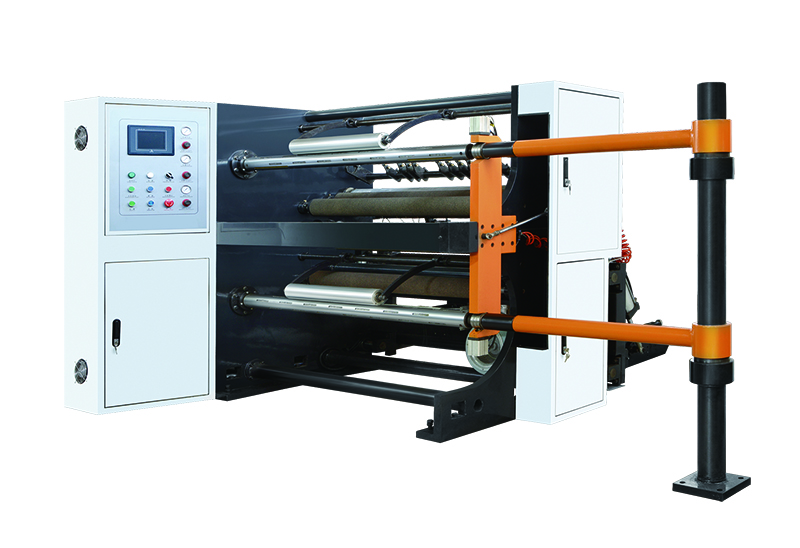
How to choose slitting rewinding machines (1)
How to choose slitting rewinding machines (1) First, the choice of slitting machine models depending on the variety of packaging materials, specifications, production scale, degree of automation, and product quality, and other factors, there are different models slitting rewinding machines.
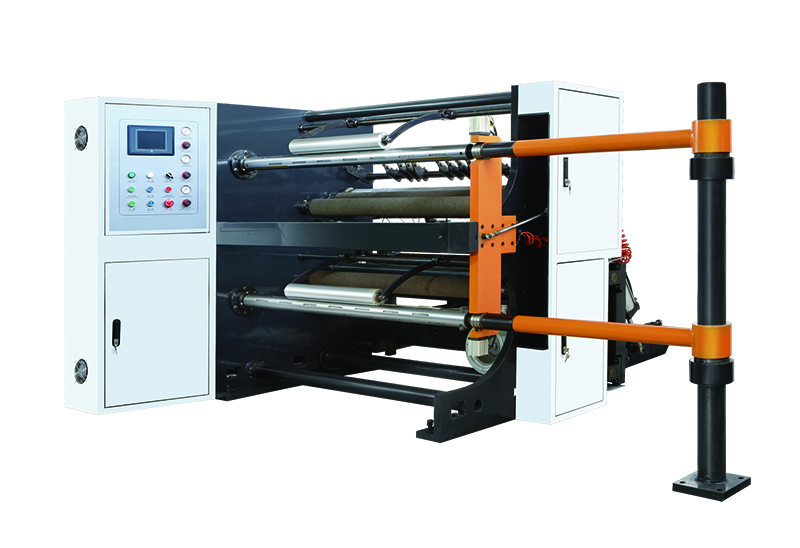
How to choose slitting rewinding machines (2)
How to choose slitting rewinding machines 2. Every business has its own primary product specifications. Many large enterprises owns large slitting rewinding equipment so with big quantities production, the main specifications of products easy to classify; some small businesses due to less equipm...
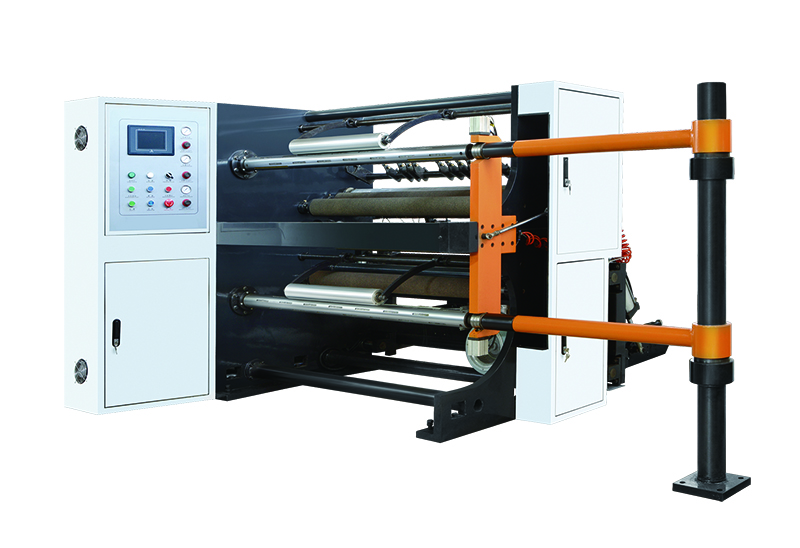
How to Choose Slitting Rewinding Machines (3)
The primary factors that determine the slitting efficiency is the operating speed. The higher the speed, the higher the yield per unit time. From these factors, the higher the speed is better...