

A Comprehensive Guide of Thermal Laminating Film from Definition to Post-Printing Applications
I.What Is Thermal Laminating Film? - Definition and Core Concepts
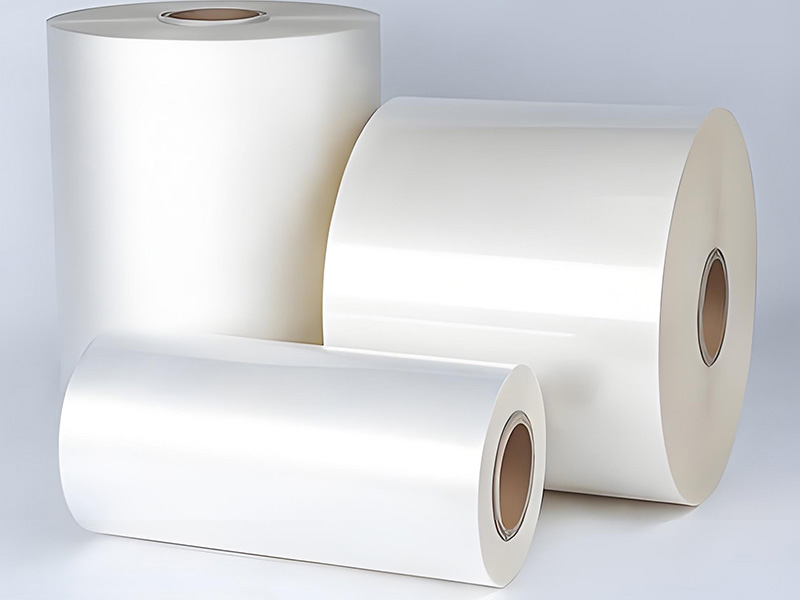
As the name suggests, thermal laminating film is a composite packaging material specifically designed for post-printing processes. It consists of a plastic film substrate pre-coated with hot-melt adhesive or low-temperature organic polymer resin, which is then cooled and rewound. Simply put, it functions like a transparent film that “comes with its own adhesive,” serving as a core consumable in the surface finishing of printed materials.
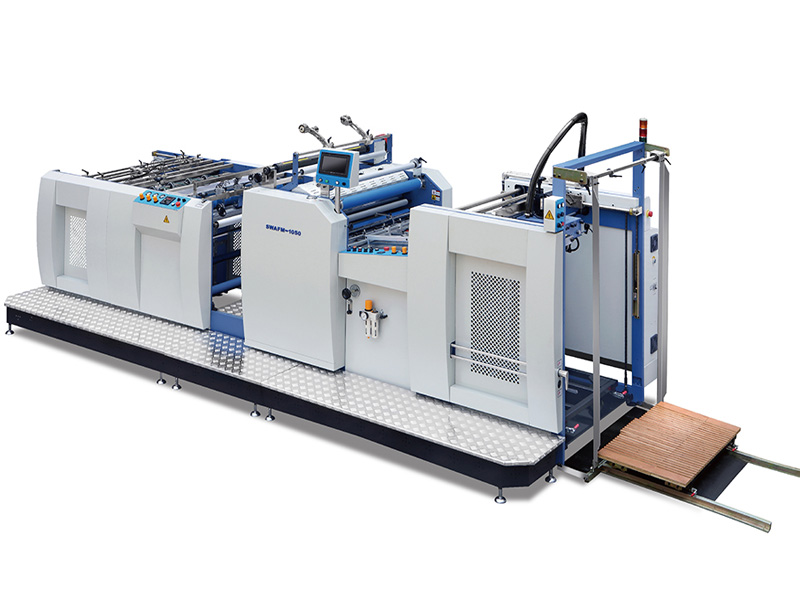
The working principle is straightforward: on thermal laminating machine, no matter manual feed laminator machine, or semi-automatic type thermal lamination machine, or a fully automatic thermal laminating machine, by precisely controlling temperature (typically between 70°C and 120°C), pressure (1-15 MPa), and speed, the adhesive on the thermal lamination film is melted and firmly bonded to the surface of the printed material, creating a paper-plastic composite product. According to the China industry standard QB/T 2889-2007, thermal lamination film must meet strict requirements regarding transparency, thickness uniformity, and adhesive strength.
The advent of thermal lamination film represents a revolution in post-printing processing technology. Prior to this, the industry commonly used the on-site coating process (i.e., applying adhesive at the lamination site), which required mixing and applying adhesive on-site. This process was not only cumbersome but also posed significant risks to the environment and worker health due to the use of benzene-containing solvents. The defining feature of thermal lamination film lies in the "pre" it standardizes the most unpredictable step, the application of adhesive, within the factory, leaving the customer with only two simple physical actions: "heating" and "pressing."
II.Types and Structural Characteristics of Thermal laminating film
-
Structural Composition
Thermal lamination film primarily consists of two layers: the substrate and the adhesive layer.
- Base Material: This serves as the framework of the thermal lamination film, determining its rigidity and abrasion resistance. The most used material is biaxially oriented polypropylene (BOPP) film, due to its high transparency, moderate cost, and flexible texture. Another high-end option is polyester (PET) film, which offers greater hardness and better heat resistance but is more expensive.
- Adhesive Layer: This is the technical core, with a thickness typically ranging from 5 to 15 micrometers (μm), precisely controlled by advanced coating equipment. Early Thermal laminating film used hot-melt adhesives, while modern high-quality versions predominantly utilize organic polymer low-temperature resins, which offer higher transparency and lower haze after lamination.
-
Main Categories
Based on surface effects and functionality, Thermal laminating film are primarily classified into the following categories:
- Glossy Film: After lamination, the surface is crystal-clear, with a light transmittance of over 91% and extremely low haze (approximately 1.7%). It significantly enhances the color saturation and contrast of printed materials, creating a strong visual impact, and is suitable for products requiring vibrant imagery.
- Matte Film: After lamination, the surface has a frosted, matte texture with a haze value of over 90%. It possesses unique light-scattering properties, a smooth texture, and a soft luster, giving it an elegant and dignified appearance. Although its color reproduction is slightly inferior to that of gloss film, it effectively resists fingerprints and scratches, making it commonly used for high-end catalogs and gift boxes.
- Specialty Lamination Film: These include scratch-resistant laminate films, holographic lamination films, and digital laminating films. With the rise of digital printing, thermal laminating film specifically designed for digital prints (requiring low-temperature, high-speed lamination) have also emerged.
III. Core Applications of Thermal laminating film in Post-press Processing
The primary arena for thermal laminating film is the post-press processing sector, where their applications permeate virtually every aspect of our lives:
- Publishing and Printing: This is the most traditional application market for thermal laminating film. The covers of the books we hold, magazine covers, and hardcover book jackets have almost all undergone lamination. Lamination prevents books from wearing out during use and protects covers from warping due to moisture.
- Packaging and Commercial Printing: On store shelves, to attract attention and protect the contents, high-end gift boxes, wine packaging, cosmetic cases, and electronic product packaging mostly utilize lamination. In particular, PET thermal laminating film, due to their high rigidity, excellent dimensional stability, and heat resistance, are frequently used to produce electronic product packaging or high-end gift boxes that require high stiffness and heat resistance, effectively preventing deformation of the cardboard boxes during die-cutting and forming processes.
- Advertising and Cultural & Creative Products: Frequently used printed materials such as posters, maps, postcards, and shopping bags gain waterproof and tear-resistant properties through lamination, significantly extending their service life
IV.Why Choose Thermal lamination film? - Four Core Advantages
Compared to traditional on-demand lamination processes, thermal lamination film offers overwhelming advantages, which is why it has become the market standard:
-
Eco-Friendly (Zero Pollution)
This is the most significant advantage of thermal lamination film. The on-demand coating process requires the use of solvents containing volatile organic compounds (VOCs) such as toluene and benzene, which produce a pungent odor at the production site. This not only pollutes the environment but also poses a major risk of occupational diseases. In contrast, the thermal lamination film laminating process involves physical heat pressing, requiring no solvents throughout the entire process and emitting no toxic gases, fully complying with national requirements for green printing and food packaging safety.
-
Superior Quality (High Precision)
Traditional on-demand lamination is highly prone to bubbling, delamination, and curling, with these issues becoming particularly severe during large-area solid printing or in high-humidity environments. In contrast, the adhesive layer thickness of thermal lamination film is precisely controlled by advanced equipment, ensuring uniform consistency. After laminating, it exhibits exceptional transparency and is completely free of “bubbling.” When applied to solid prints or large-area dark patterns, the performance of thermal lamination films is unmatched by on-demand lamination.
-
Efficient and Convenient (Simple Operation)
When using on-demand laminating film, operators must mix adhesive and clean the adhesive rollers, which not only requires high technical skill but also results in lengthy job changeover times. In contrast, thermal lamination film laminators only require setting the temperature and pressure; they can be started or stopped at any time, allowing for on-demand lamination. In terms of production efficiency, thermal lamination film laminators can reach speeds of up to 120 meters per minute, whereas on-demand laminating film typically operates at only 20 to 30 meters per minute -several-fold increase in efficiency.
-
Lower Overall Costs
Although the unit price of thermal lamination film is slightly higher than that of on-demand film (which uses adhesive plus film), considering the zero waste during the lamination process (no adhesive is wasted during machine cleaning), labor savings (no need for a dedicated adhesive mixing technician), and high efficiency (doubled production capacity), the overall cost of use is actually on par with or even lower than that of on-demand film.
|
Core Advantage |
Technical Benefit |
Business Impact |
|
Eco-Friendly |
Zero VOCs: Physical heat-pressing process replaces solvent-based adhesives (toluene/benzene). |
Complies with international food packaging safety and green printing regulations. |
|
Superior Quality |
High Precision: Adhesive thickness is factory-controlled; eliminates bubbling, delamination, and curling. |
Perfect for large-area solid prints and dark patterns, even in high-humidity environments. |
|
Operational Efficiency |
High-Speed Output: Speeds up to 120m/min vs. 20-30m/min for on-demand systems. |
Faster job changeovers; no adhesive mixing or roller cleaning required. |
|
Lower Overall Cost |
Zero Waste: No adhesive loss during cleanup significant labor savings on technical staff. |
Total cost of ownership is lower due to doubled capacity and reduced material waste. |
V.Development Trends and Conclusion of Thermal Laminating Film
Thermal lamination film technology was invented by the U.S.-based GBC Company in 1989. In developed countries in Europe and the United States, thermal lamination film has long accounted for over 90% of the market. In contrast, although China’s thermal lamination film market started relatively late (beginning to gain traction around 2000), it has developed rapidly. In 2021, the market size of thermal lamination film in China reached approximately over 1.468 billion yuan, with a production volume of 62,300 metric tons. Furthermore, as environmental regulations tighten, it is accelerating the replacement of traditional on-site coating processes.
Today, the application of thermal lamination film is no longer limited to “paper lamination.” It is expanding into the fields of building insulation materials, electronic insulation materials, and even decorative panels. It is foreseeable that, as consumer demands for environmental protection and quality continue to rise, thermal lamination film will further solidify its mainstream position in post-press processing and become an indispensable part of the printing and packaging industry.
Summary
For printing and packaging companies and designers, understanding thermal laminating film is not merely about selecting a protective layer; it is also about using the effects of glossy, matte, or specialty thermal laminating film to impart distinct textures and perceived value to products. It not only protects printed materials but also enhances the added value of the product.
Learn More About
A Comprehensive Guide of Thermal Laminating Film from Definition to Post-Printing Applications
For printing and packaging companies and designers, understanding thermal laminating film is not merely about selecting a protective layer; it is also about using the effects of glossy, matte, or specialty thermal laminating film to impart distinct textures and perceived value to products. It not only protects printed materials but also enhances the added value of the product.This article will introduce you to thermal laminate films from various layers.
Offset vs. Flexo Printing
In the modern label printing industry, offset and flexographic printing are two widely used mainstream printing methods. Each brings its own unique technical characteristics and application advantages, playing crucial roles in different production scenarios. This article will systematically compare these two printing technologies from various angles, including printing principles, technical strengths, application limitations, cost structures, and selection recommendations - to provide professional guidance for label printing and converting businesses like yours when choosing a suitable process. 1. Differences in Printing Principles and Technical Characteristics Offset Printing uses an indirect printing principle, transferring images and text from the printing plate to a rubber blanket cylinder before applying them to the substrate. Its key features include: • Ink-Water Balance System: Relies on precise control of the ink-water balance, leveraging the immiscibility of oil and water to transfer graphics and text. • Fine Dot Reproduction: Utilizes amplitude-modulated or frequency-modulated dots, achieving a printing resolution of 200–350 dpi. • Dependence on UV Curing: In label printing, UV curing systems are often required to ensure ink adhesion on non-absorbent materials. Flexo Printing, on the other hand, employs a direct relief printing method: • Anilox Roller Ink Transfer System: Uses engraved anilox rollers to precisely control ink transfer, ensuring consistent ink layer thickness. • Wide Printing Adaptability: Supports various ink systems, including water-based, solvent-based, and UV inks, offering flexible curing options. • Strong Material Compatibility: Particularly well-suited for handling non-absorbent materials like films and self-adhesive substrates. 2. Quality Performance and Process Advantages Three Main Advantages of Offset Printing 1. Superior Print Quality Offset printing has a natural advantage in reproducing fine details. Its dot density can reach 200–350 dots per inch, far exceeding the 170–180 dpi limit of flexo printing. This high precision makes it stand out in the following scenarios: • Smooth gradient transitions with no noticeable banding • Crisp edges on small text (below 4 pt) • Accurate spot color reproduction with high hue stability • Dot loss in highlight areas below 2% 2. Significant Initial Cost Advantages At the start of a new project, offset printing demonstrates clear economic benefits: • Lower Plate Costs: A set of four-color PS plates costs only 1/4 to 1/2 of flexographic resin plates. • Higher Plate-Making Efficiency: The CTP plate-making process takes just 8–12 minutes, compared to 60–90 minutes for flexographic plates. • Faster Job Changeovers: Standard job changeovers can be completed within 15 minutes, improving equipment utilization. 3. Higher Operational Tolerance Offset printing offers relatively stable performance characteristics: • The ink-water balance system has self-adjusting capabilities. • Dot gain is kept within standard ranges (typically 12–18%). • Even with less experienced operators, basic print quality can be maintained. Differentiated Advantages of Flexographic Printing 1. Wide Material Adaptability Flexographic printing excels in handling special materials: • Wide printable thickness range (0.012–0.5 mm) • Compatible with various film materials like PE, PP, PET, and BOPP • Supports special substrates such as metal foils, synthetic paper, and specialty papers 2. Potential for Higher Production Efficiency In specific applications, flexographic printing offers unique advantages: • Strong inline processing capabilities, integrating processes like foiling, laminating, die-cutting, slitting and sheeting. • Printing speeds of 150–300 meters per minute. • Suitable for long-run jobs, with operational costs decreasing as volume increases. 3. Superior Environmental Performance Modern flexographic technology aligns with green printing trends: • Lower VOC emissions from water-based inks compared to offset inks • Higher usage of biodegradable materials • Relatively lower energy consumption, meeting sustainability requirements 3. In-Depth Analysis of Cost Structures Equipment Investment Comparison The complex structure of offset presses leads to higher initial investment: • Inking System: Requires a precise ink transfer system with 12–20 ink rollers. • Dampening System: Equipped with automatic alcohol concentration control. • Registration System: Demands extremely high mechanical machining precision. • Overall, offset equipment is 30–40% more expensive than similarly configured flexographic printing equipment. Operational Cost Differences Consumable Costs: • Offset: PS plates cost ¥80–120 per square meter (this is roughly number, every year it will be change), with higher dampening solution consumption. • Flexo: Resin plates cost ¥200–350 per square meter (this is roughly number, depends on types, thickness and quality), and anilox rollers require periodic replacement. Energy Consumption Comparison: • Offset: UV curing systems consume more energy, using 15–25 kW per hour. • Flexo: Hot air-drying systems are relatively more energy-efficient, using 8–15 kW per hour. Labor Cost Considerations: • Offset: Requires experienced press operators with 6–12 months of training. • Flexo: Operators have shorter training cycles, typically becoming proficient in 3–6 months. 4. Recommendations for Application Scenarios Scenarios Favoring Offset Printing 1. High-Quality Commercial Labels: Cosmetics, luxury labels, and others requiring high-precision printing. 2. Short-Run Variable Data: Promotional labels or seasonal product labels requiring frequent plate changes. 3. Paper-Based Materials: Primarily using absorbent materials like coated paper or specialty paper. 4. Budget-Constrained Projects: Limited initial investment but with certain quality requirements. Scenarios Favoring Flexographic Printing 1. Film-Based Labels: Food packaging, daily chemical product labels, and others using film materials extensively. 2. Long-Run Production Tasks: Routine label production with volumes exceeding 100,000 meters. 3. Special Process Requirements: Situations needing inline processing or special ink applications. 4. Strict Environmental Requirements: Compliance with food-grade safety standards or environmental certifications. 5. Technological Trends and Integrated Innovations Today’s label printing technology is evolving toward integration: 1. Hybrid Printing Technology: Combines offset and flexographic units to balance fine details and large solid areas. 2. Digital Printing Integration: Incorporates digital inkjet units into traditional printing for variable data capabilities. 3. Intelligent Upgrades: Adoption of AI color management systems and IoT remote monitoring. 4. Green Transformation: Increased use of eco-friendly materials like vegetable oil-based inks and water-based coatings. 6. Key Factors for Decision-Making When choosing a printing process, your label business should consider: 1. Product Structure Analysis: The material types, design complexity, and quality requirements of your main label products. 2. Order Characteristics Evaluation: Average order volume, job changeover frequency, and delivery timelines. 3. Return on Investment Calculation: Comprehensive assessment of equipment depreciation, material costs, and labor expenses. 4. Technological Development Outlook: Evaluating upgrade potential and future business expansion needs. In Conclusion In the label printing industry, offset and flexographic printing each have their strengths, with no absolute winner. Offset printing holds a significant position in high-precision printing due to its superior print quality and lower startup costs. Meanwhile, flexographic printing offers unique advantages in packaging labels, thanks to its wide material adaptability and efficient production capabilities. A wise choice should be based on a thorough analysis of your own label business characteristics. If your work primarily involves paper-based materials, short runs, and high-quality requirements, offset printing may be the better fit. If it involves extensive use of film materials, long production runs, or special process needs, flexo printing will likely deliver greater value. As printing technology continues to develop, the boundaries between these two processes are gradually blurring, paving the way for more integrated and innovative solutions. Your business should stay technologically aware, flexibly adjust its technical approach based on market changes and customer needs, and find the optimal balance among quality, cost, and efficiency to gain a competitive edge in this dynamic label printing and converting market.
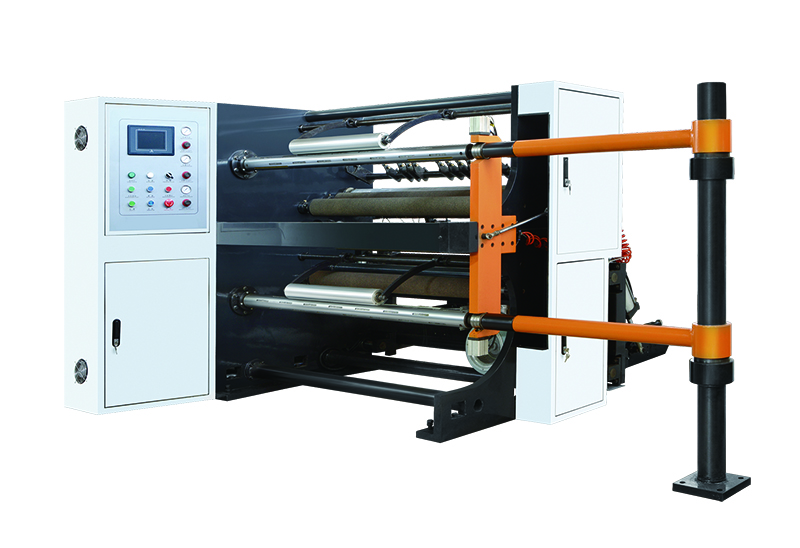
How to Choose Slitting Rewinding Machines (3)
The primary factors that determine the slitting efficiency is the operating speed. The higher the speed, the higher the yield per unit time. From these factors, the higher the speed is better...