

Beyond the Basics: What is a High-speed Sheeter Paper Machine in 2026?
Introduction
The Evolution of the Sheeter Paper Machine in the context of 2026 industry intelligence, the sheeter paper machine has undergone a significant transformation from traditional mechanical cutting to servo-driven precision sheeting. With the global surge in packaging demand, mere "speed" is no longer the sole metric for excellence; superior material adaptability and waste reduction are now the true hallmarks of a high-performance system. This article explores the core mechanisms of modern equipment designed for speed paper roll converting, explaining the advanced technologies, configurations, and working principles that define today's industry standards.
A Detailed Breakdown of the Sheeter Working Mechanism
Converting a paper roll into individual sheets is not a simple cut-and-drop process. In a high-speed environment, achieving precise dimensions while maintaining neat collection is a complex engineering feat involving several synchronized systems.
Unwinding the Paper Roll
The process begins at the unwinding station, where operators mount large paper rolls onto a heavy-duty unwinding stand. This unit is equipped with sophisticated tension control devices to ensure the material is released at a consistent speed and stable tension. Without this precision, the substrate may stretch or wrinkle due to uneven tension. Proper alignment at this stage is fundamental, as any initial deviation will directly compromise the final cutting accuracy of the sheeter paper machine.

Web Feeding and Guidance
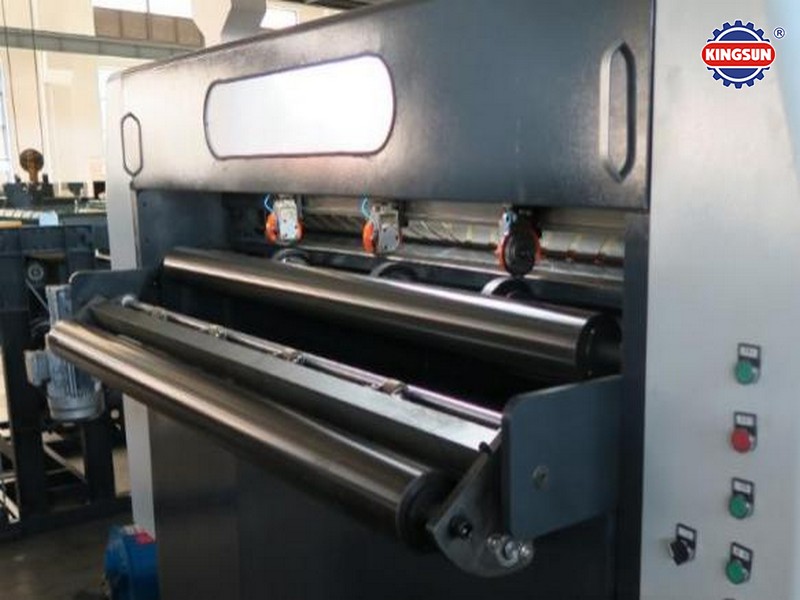
After unwinding, the paper web is fed into the machine through a series of precision-engineered guide rollers. These rollers serve to keep the paper web perfectly aligned and flat as it advances toward the cutting mechanism. For high-performance speed paper roll converting, some advanced models are equipped with digital web-guiding correction systems. These systems automatically detect and adjust for any lateral deviation, ensuring the paper remains centered and enhancing the overall alignment accuracy before it reaches the blades.
Positioning and Measuring
Before the actual sheet cutting occurs, the material passes through a sophisticated positioning and measuring system. High-precision sensors and encoders capture the real-time data of the moving web. The operator simply inputs the required sheet length into the machine's HMI control panel, and the intelligent system automatically calculates the exact rotation cycles or displacement required to hit that target. This automated calculation is the backbone of the sheeter paper machine, ensuring every individual sheet meets exact dimensional specifications.
The Cutting Process
Once the web is accurately positioned, it enters the cutting mechanism - the heart of speed paper roll converting. This unit typically utilizes a rotary upper knife paired with a fixed lower blade. In modern high-speed configurations, the assembly is engineered to maintain a remarkable cutting precision of ±0.5mm even at peak velocities. These blades are forged from high-hardness alloys to ensure long-term sharpness and durability, delivering a clean, burr-free edge during continuous, high-speed operation.
Collection and Stacking
After the cutting phase, the individual sheets are arranged in an overlapping, shingled pattern (often referred to as "fish-scale" overlapping) and conveyed to the collection unit. To maintain the efficiency of speed paper roll converting, this unit typically operates in two configurations: Stacking Mechanism: This system neatly aligns and stacks the sheets into a stable pile.Conveying System: This setup transports precisely counted reams of paper to subsequent processing stages, such as wrapping or secondary finishing (e.g., a 500-sheet ream of A4 copy paper).The collection unit is specifically engineered to synchronize with the high velocity of the sheeter paper machine, ensuring that even during peak production, the sheets remain undamaged and perfectly aligned.
The Technology Powering Speed Paper Roll Converting
In high-performance speed paper roll converting, the process utilizes a sophisticated "rotary upper knife and fixed lower blade" system to shear the material, ensuring exceptionally clean and flat edges.The Kingsun KS-1900A series sheeter paper machine is engineered for industrial-scale output, supporting the simultaneous unwinding of up to 6 rolls to maximize throughput. This robust configuration enables cutting speeds of up to 300 cuts per minute. Even while operating at a high linear velocity of 300 m/min, the KS-1900A maintains a precise cutting tolerance of ±0.5mm, ensuring consistent sheet dimensions across every batch.
2026 High-Speed Sheeter Technical Specifications
The following technical parameters define the Kingsun KS-1900A series, a premier solution for speed paper roll converting. This sheeter paper machine is engineered to maintain high-precision cutting tolerances while operating at maximum industrial efficiency.
| Model | KS-1500A/1700A/1900A |
| Cutting knife | The up knife is rotary; the down knife is fixed |
| Thickness of paper cutting | 60-550 gsm |
| Max. paper roll diameter | 1800mm |
| Max. paper cutting width | 1500mm/1700mm/1900mm |
| Cutting length range | 450-1650mm |
| Cutting precision | The cutting length 1000mm: -0.5mm. |
| Max. cutting speed | 300 cuts/min, 300m/min |
| Max pallet height | 1500mm (KS-1400A/1700A/1900A) |
| Air compressor | 0.8 Mpa |
| Machine Power | 380V 50Hz |
| Gross weight | 11000KG/13000KG/15000KG |
Core Modules for High-Efficiency Production in 2026 (Essential Modules)
Modern fully automatic equipment has evolved to include a suite of advanced functional modules designed for large-scale industrial demands. To achieve optimal speed paper roll converting, current systems integrate the following core components:
Unwinding & Tension Control: These modules are engineered to handle high-capacity, large-diameter paper rolls.Hydraulic Loading Arms: For heavy-duty operations, hydraulic clamping arms are utilized to manage paper rolls with diameters up to 1800mm.
Automatic Tension Regulation: This system works in tandem with the unwinding unit to ensure consistent material flow, preventing web breaks or deformation during high-speed runs.
Multi-Channel Web Guiding: To maintain absolute linearity during multi-roll synchronization, the sheeter paper machine is typically equipped with a multi-path correction system.
Integrated Alignment: For a 6-roll simultaneous feed configuration, the system standardizes 5 sets of independent web-guiding devices to guarantee the straightness and alignment of every layer in the stack
Post-Cutting Handling and Stacking
Once the speed paper roll converting process is complete, the individual sheets are systematically transported to the stacking unit. This stage is critical for maintaining the structural integrity and organization of the finished product.Stacking and SeparatingStatic Elimination: The system utilizes advanced plasma technology to neutralize static electricity on the paper surface. This prevents sheets from adhering to one another during high-velocity stacking, which is essential for a high-performance sheeter paper machine.Automatic Stacking: A hydraulic lifting platform automatically adjusts its height based on the pallet load (supporting a maximum stack height of 1500mm). This ensures consistent, neat stacking and precise counting of the finished sheets.Tab Insertion Function: Operators can define specific sheet quantities via the HMI touch screen. The machine then executes automated tab insertion (labeling), allowing for easy separation and identification of paper reams or batches.
Conclusion
The transformation of a paper roll into individual sheets is a sophisticated, multi-stage process - from unwinding and feeding to positioning, cutting, and collection. Each phase is interconnected, requiring seamless synchronization to ensure precision and quality.
In 2026, as global packaging demands continue to escalate, selecting a high-performance sheeter paper machine is a critical investment for operational success.Kingsun brings over 25 years of manufacturing excellence and brand authority to the industry. Our extensive expertise is backed by a global footprint, with machinery exported to more than 80 countries and regions.
To guarantee structural integrity and high-speed stability, our advanced CNC machining centers produce high-precision parts, and every moving roller undergoes rigorous dynamic balance testing.Whether you require a solution for speed paper roll converting or other specialized post-press equipment, our energetic sales and engineering teams are ready to provide custom solutions tailored to your specific technical requirements.
Learn More About
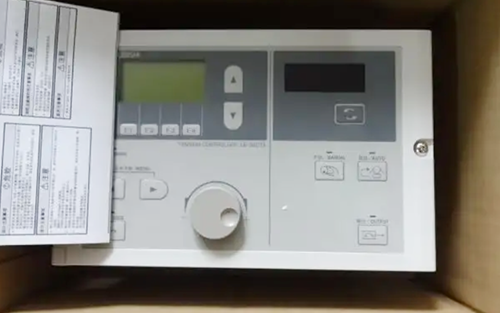
The Importance of Tension Controlling of Slitter Rewinder
Slitter rewinder tension controlling is very important on the process of slitting, it depends on whether if we can get qulity finished products, so we have to pay more attention of this tension controlling system during slitting.
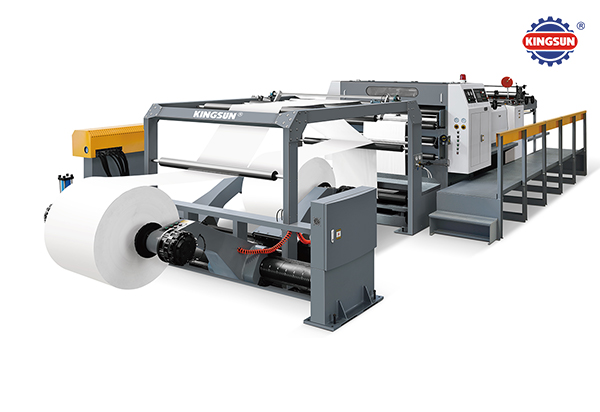
What is High Speed Paper Roll to Sheet Cutting Machine?
The high-speed paper roll to sheet cutting machine is kind of equipment specially designed for jumbo roll paper slitting and cutting into sheet paper. The thickness of the converting paper is between 50-650gsm. After processing, the cut paper can go directly to print on an offset press or to cut again on guillotine according to the actual situation. It is the most efficient equipment for web paper converting. It can also be called a high-speed paper roll sheet cutter. Currently, it is widely used for the paper industry, the printing industry, the paper trade industry. It is different from the slitter rewinder (just slitting) and the paper cutter(guillotine).
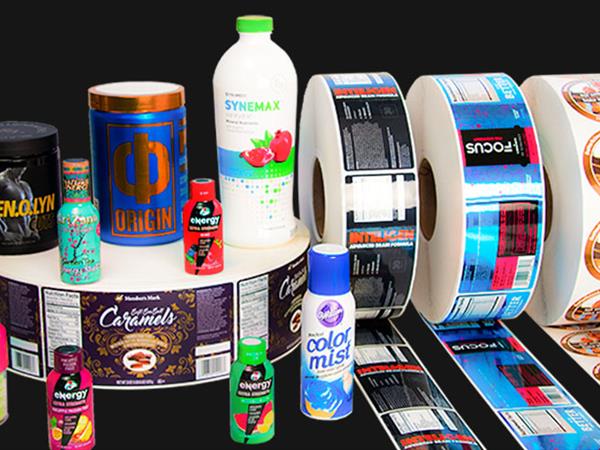
How to Invest in Digital Label Printing
Before investing in the many digital presses currently on the market, label converters must conduct thorough research into the digital printing industry. By focusing on the mainstream technologies available in 2026, label converters and packaging printers can understand the performance of various printing methods, front-end systems, and resolutions. This knowledge allows for the creation of a customized investment plan for color digital printing equipment.