

What is printing machine?
Introduction
Printing has come a long way from the early days of hand printing. Nowadays, printing is done using machines that are designed for specific purposes and produce various types of printing. Before we dive further into the different types of printing machines, let's understand what printing is and why it is essential. Printing is the process of reproducing words or images on paper or other surfaces using ink or toner. Printing is a vital tool in communication, advertising, marketing, and art. It is a technology that has been around for centuries but has evolved over the years to meet the increasing demands of different industries. Today, there are many types of printing machines available that cater to different printing needs. Here are the different types of printing machines and their uses.
Common Types of Printing Machines and Their Technologies
Offset Printing Machines
Offset printing machines are the most commonly used printing machines worldwide. These machines use a printing plate (Usually called as PS plate) that transfers the image or text to a rubber blanket, which then presses it onto the paper. The plate is usually made of aluminum and has a negative image of the text or image to be printed. Nowadays CTP is popularly used in the printing industry, so greatly improve the offset plate processing procedures. Ink is applied to the plate, and then the plate is rolled onto the rubber blanket, which then applies the ink to the paper. Offset printing machines can produce high-quality prints in large quantities. They are used for printing newspapers, magazines, brochures, packaging and other marketing materials.
Digital Printing Machines
Digital printing machines use digital files to produce prints. These machines are becoming more popular due to their ability to print small quantities of prints quickly and efficiently. Digital printing machines use toners or liquid ink to print on paper or other materials. They are commonly used for printing business cards, flyers, posters, and other marketing materials. Digital printing machines are divided into three categories:
a. Laser Printers: Laser printers are the most commonly used digital printing machines. They use toner instead of ink to create images or text on paper. Laser printers are fast and produce high-quality prints. They are suitable for printing documents, brochures, and flyers in small quantities.
b. Inkjet Printer: Inkjet printers use liquid ink to print on paper. They are popular for printing high-resolution images and photographs. Inkjet printers are often used for printing photographs, art prints, and other materials that require high-quality prints.
c. Large-Format Printers: Large-format printers are digital printers that can print on materials such as vinyl, fabric, and canvas. They are commonly used for printing banners, signs, and other large marketing materials.
Flexographic Printing Machines:
Flexographic printing machines use a flexible plate to print on various materials such as plastic, metal, paper, and more. They are commonly used in the packaging and labeling industry. Flexographic printing machines are capable of printing high-quality images with high precision. They are used for printing packaging materials, envelopes, and labels. The bigger size flexo printing machine use for corrugated board, it can print it in multi-colors then cut into designed forms to shape carton boxes.
Rotogravure Printing Machines
Rotogravure printing machines use an engraved steel cylinder plate to print onto materials such as paper, plastic, and metallic film. They are commonly used for printing magazines, catalogs, and packaging materials. Gravure printing machines are capable of producing high-quality prints with fine details and intricate designs, In China it is most common type of printing for flexible packaging, due to large quantity and popular use in packaging manufacturing company, so the production cost is comparatively low for making gravure printing cylinders.
Letterpress Printing Machines
Screen printing machines use a mesh screen to transfer ink onto the printing surface. The mesh screen is coated with a light-sensitive emulsion, and the desired image is projected onto the screen. The emulsion is then exposed to UV light, which hardens it, creating a stencil. Ink is then applied to the stencil and pressed through the mesh to the printing surface. Screen printing machines are used for printing textiles, posters, signs, and other materials. Silk screen printing machine also can achieve the special printing result on the paper surface, so for luxury prints always apply the screen printing unit .
Letterpress Printing Machines
Letterpress printing machines use a raised plate with ink to press onto the printing surface. The plate is made of wood or metal and has the desired text or image on it. The plate is then inked, and the paper is pressed onto it. Letterpress printing machines are commonly used in printing invitations, business cards, and other high-end materials.
Transfer Printing Machines
There is many kinds of transfer printing machines, mainly it is by heat, by water or by rubber plate. Like hot foil stamping machine, it is use heat to transfer the foil onto paper, so can achieve the letters or images on the prints.
Configuration of Printing Colors and Units
According to printing colors, the printing machine has single color, 2 colors, 3 colors ,4 colors, 5 colors till 12 colors sometime. So the printing machines has multiple choice, it depends on the specific printing process needs. When buying the printing machines, the owner should be able to understand what is max colors printing jobs they need in advance, it is difficult to add the colors unit later on after bought the printing press.
Market Trends: From Traditional Print to Packaging Solutions
Due to fast development of electric products such as mobile phone or Pad, more and more people use the digital photos and videos, so generally speaking the printing works more trend for packaging nowadays. That is why lots of printing house started to buy post-printing finishing equipment, to make all kind of packaging products such as boxes, labels and bags etc. That is to say, the traditional printing works market share low down, and packaging business going up.
Conclusion
The printing industry has come a long way in terms of technology and innovation. The different types of printing machines available today cater to different printing needs and offer various advantages and disadvantages. As technology continues to evolve, we can expect more advanced printing machines that produce high-quality prints and meet the increasing demands of various industries.
Learn More About
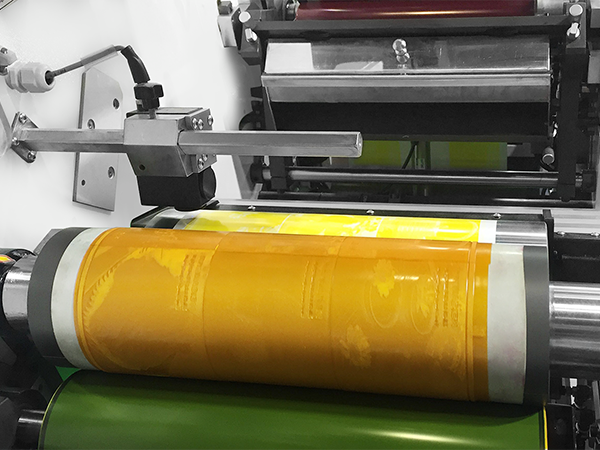
Label Flexographic Printing Presses Technical Features and Application
This article introduces label flexographic presses, highlighting their high speed, precision, modular design, and versatile inline processing for diverse materials and inks. It compares inline, CI, and stacked presses for short-run flexibility, long-run accuracy, and compact setups. Recommendations include analyzing product mix, order types, and future needs, and testing the label production equipment for optimal selection.
What Is a Slitter Machine? Your Complete Guide to Types, Structures and Applications
If you're in the packaging, printing, or converting industry, you've likely heard the term slitter machine - but do you know exactly how these workhorses of material processing can benefit your production line? Whether you call it a slitter machine or some others call it a slitting machine (both terms refer to the same essential equipment), this guide will walk you through everything you need to know.
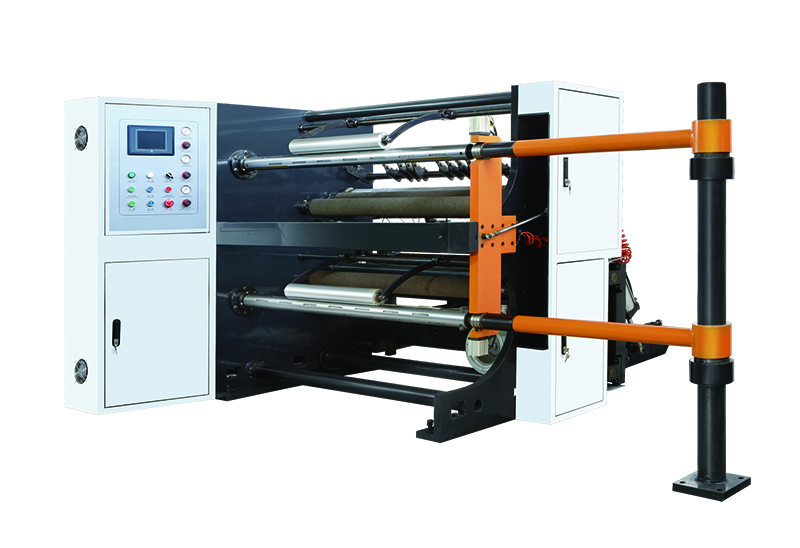
How to choose slitting rewinding machines (2)
How to choose slitting rewinding machines 2. Every business has its own primary product specifications. Many large enterprises owns large slitting rewinding equipment so with big quantities production, the main specifications of products easy to classify; some small businesses due to less equipm...