
Coating and laminating machine technology
Understanding Coating and Laminating Machine Technology
Introduction to Coating and Laminating Systems
Coating and laminating machines are advanced technological systems used for a range of industrial applications, from packaging to printing and beyond. The machines are used to apply a thin layer of material to a substrate, which can enhance the appearance, durability, or performance of the substrate. In this article, we'll explore the basic principles of coating and laminating machine technology and discuss some of their common uses.
Basic Principles of Operation
Coating and laminating machines work by applying a layer of material to a substrate. The substrate can be paper, plastic, metal foil, fabric, or any other material that can accept a coating. The coating can be a liquid or a solid, depending on the application. For example, a liquid coating might be used to protect a printed label from moisture, or film to coat PVDC to improve the barrier features, while a solid coating might be used to enhance the strength of a piece of plastic.
Primary Coating Methods
The coating material is applied to the substrate using one of several methods. One of the most common methods is roll coating, where the substrate is fed through a set of rollers that apply the coating material to the surface. Another method is slot coating, where the coating material is applied through a narrow slot onto the substrate. Extrusion coating is a third method, where the coating material is melted and extruded onto the substrate.
The Lamination Process
Laminating machines work in a similar way, but instead of applying a coating, they bond two or more layers of material together to create a composite material. Laminating can be done with any combination of materials, such as paper, plastic film, or metal foil, and can be used to create a wide range of products, including packaging, flooring, and insulation.
Precision Control and Machine Intelligence
One of the most important aspects of coating and laminating machine technology is the ability to control the thickness and uniformity of the coating or lamination. This is accomplished through precise control of the speed of the substrate and the rollers, as well as the viscosity and flow rate of the coating material. Advanced machine control systems use sensors and feedback mechanisms to monitor the process and adjust the parameters in real-time, ensuring a consistent and high-quality product.
Diverse Industrial Applications
Coating and laminating machines are used in a variety of industries, including packaging, printing, automotive, and aerospace. In the packaging industry, they are used to create barrier coatings that protect food and other products from moisture, light, and other environmental factors. In the printing industry, they are used to apply varnishes and other coatings that enhance the appearance and durability of printed materials. In the automotive and aerospace industries, they are used to create composite materials that are lightweight and strong.
Conclusion: The Future of Modern Manufacturing
In conclusion, coating and laminating machine technology is an essential part of modern manufacturing, enabling the creation of high-quality, durable, and innovative products. The technology continues to evolve, with advances in materials science and machine control systems leading to new and exciting applications. Whether it's creating a protective coating for a food package or a lightweight composite material for an aircraft wing, coating and laminating equipment is at the forefront of modern manufacturing.
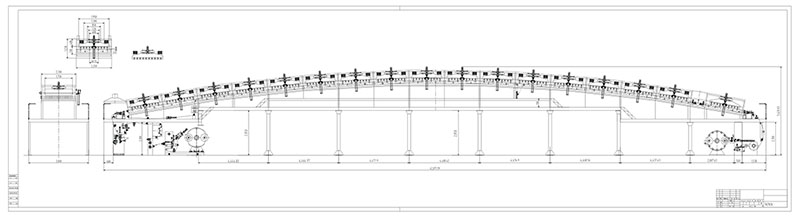
Coating machine sketch drawing:
Learn More About
How to Invest in Digital Label Printing
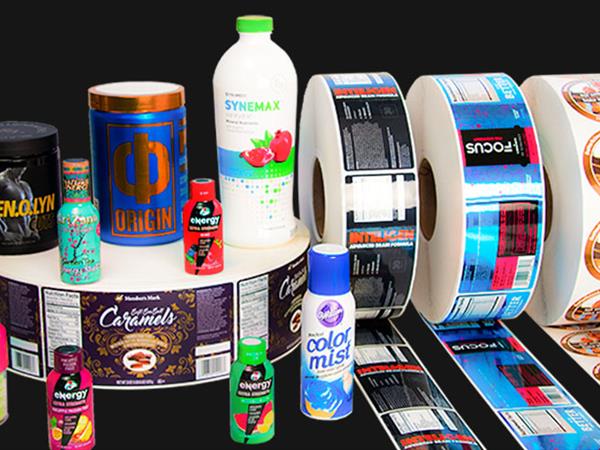
Before investing in the many digital presses currently on the market, label converters must conduct thorough research into the digital printing industry. By focusing on the mainstream technologies available in 2026, label converters and packaging printers can understand the performance of various printing methods, front-end systems, and resolutions. This knowledge allows for the creation of a customized investment plan for color digital printing equipment.
The Importance of Tension Controlling of Slitter Rewinder
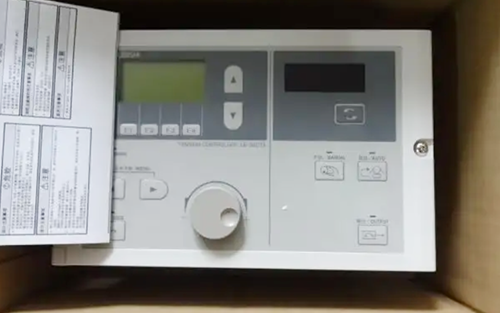
Slitter rewinder tension controlling is very important on the process of slitting, it depends on whether if we can get qulity finished products, so we have to pay more attention of this tension controlling system during slitting.
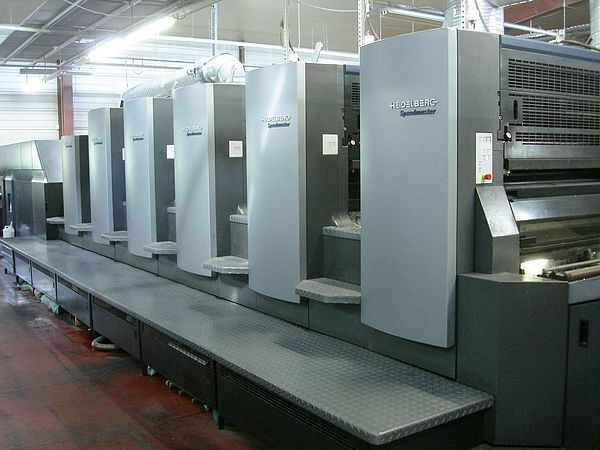
What is printing machine?
This article introduce what is the printing machine, how many different types of printing machine and its features and usage, so can choose the right model printing press when production needs.